Challenges and Solutions
Wilson County does not have to choose between economic opportunity and community protection. We can — and should — demand both. Each item below names the challenge, then the measurable steps I will work for as Precinct 4 commissioner — transparency before commitment, enforceable agreements, and results residents can track.
Infrastructure and Roads
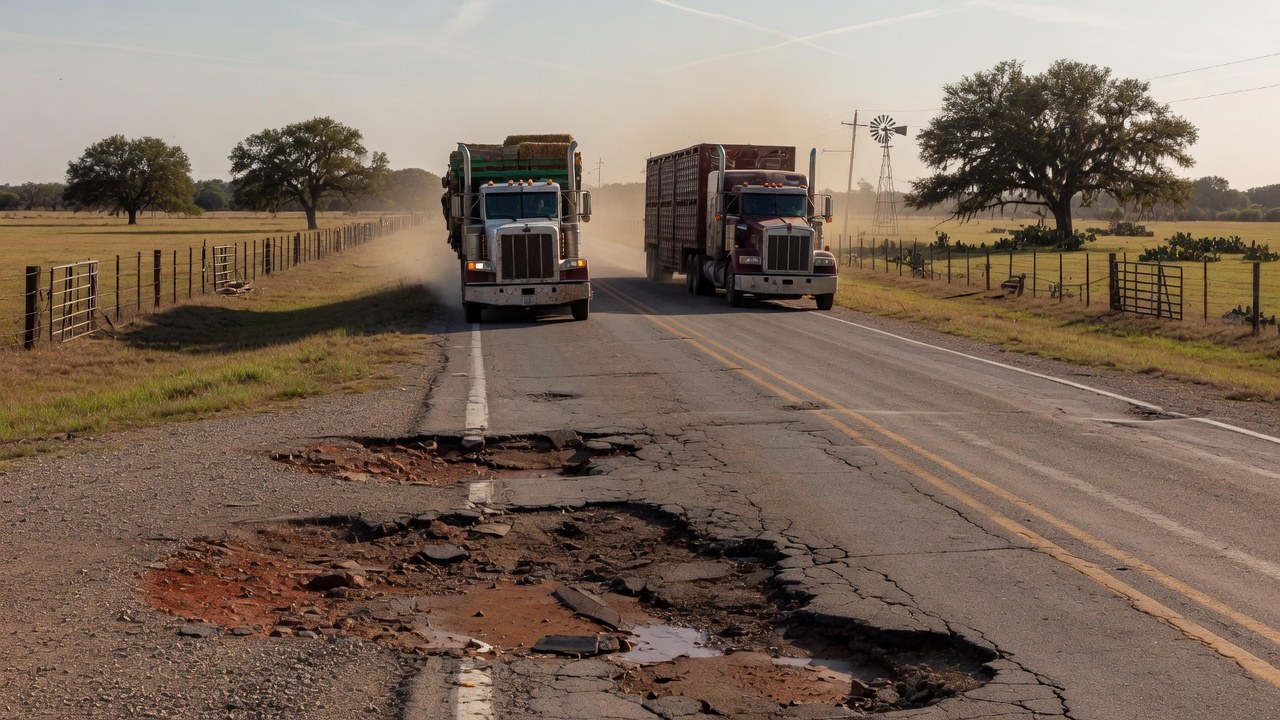
The challenge
- Precinct 4 corridors already carry heavy daily traffic — including US 87 and FM 775 measured in the thousands of vehicles per day — before mega-project construction trucks fully arrive.
- Large-scale energy, industrial, and data-center growth adds overweight loads onto farm-to-market and county roads that families, school buses, farmers, and first responders share.
- Road-use and repair deals too often lag construction starts, leaving taxpayers holding pavement risk after damage is done.
What I'll do
- Require a signed road-use / repair agreement (baseline pavement condition, repair standards, bond or escrow) before the County commits road capacity to any large project seeking County support or incentives.
- Publish a Precinct 4 corridor priority list within the first 90 days in office, ranked by traffic, school-bus routes, and emergency access — and update it annually.
- Pair county road work with TxDOT / state / federal funding applications so residents see grant-backed repairs without a tax hike for developer-driven damage.
- Require post-construction pavement inspection against the pre-build baseline, with developer-funded remediation on a written timeline when standards are not met.
- Protect taxpayers: no silent shift of unforeseen road or infrastructure costs onto property owners.
Property Taxes and Fiscal Responsibility

The challenge
- Working families, seniors, and small businesses feel the appraisal and tax squeeze while large abatements move through Court with thin public scrutiny.
- Incentives too often look like giveaways: big construction-job headlines, thin permanent employment, and risk left on taxpayers and kids who cannot vote yet.
- Unforeseen infrastructure, emergency-service, and water costs get socialized after the ribbon cutting.
What I'll do
- Treat every County incentive as a performance-based agreement — not a giveaway — with defined investment and employment commitments scaled to the project.
- Require written milestones, public reporting at least quarterly while incentives are active, and clawbacks / remedies if commitments are missed.
- Require a public taxpayer-risk disclosure (roads, water, EMS, schools capacity) posted before any Commissioners Court vote on material incentives or abatements.
- Support an annual county spending audit review and homestead / senior / veteran tax-relief tools already available in Texas law.
- Hand the next generation a stronger tax base — not hidden liabilities.
Public Safety and Emergency Services
The challenge
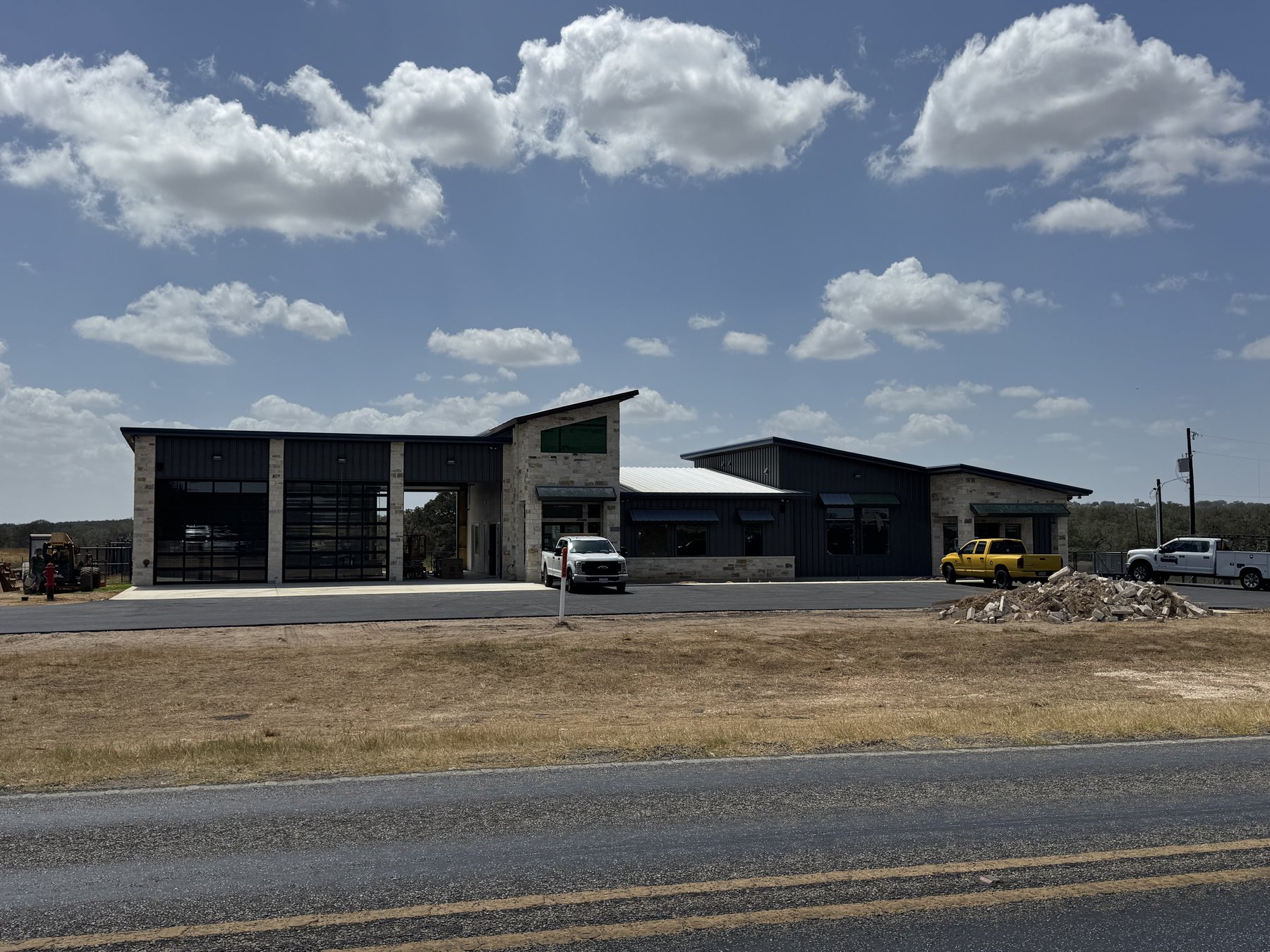
- Growth and industrial traffic raise the load on the sheriff, EMS, and volunteer fire without automatically adding people or equipment.
- Traffic, lighting, and emergency-response impacts are too often studied after construction starts — after the first call for help.
- Rural precincts need modern tools, but government Big Brother overreach — including Flock Safety mass license-plate surveillance — is not the answer. Always-on camera networks and open-ended data sharing raise privacy and civil-liberty concerns for Wilson County families.
What I'll do
- Require a public-safety impact checklist (traffic, lighting, EMS / fire response times, staging) for large projects before construction or County commitment — posted for public review.
- Oppose deploying Flock cameras in Wilson County. Support modern tools that help deputies solve crimes without building a mass license-plate surveillance net or unchecked data-sharing pipeline over rural residents.
- Prioritize training and equipment funding first, with budget caps that do not overextend the County.
- Partner on mental-health response pathways so law enforcement is not the only door — track referral partnerships and publish outcomes annually where privacy law allows.
- Demand transparency on public-safety impacts before the County makes material commitments.
Economic Development and Jobs
The challenge
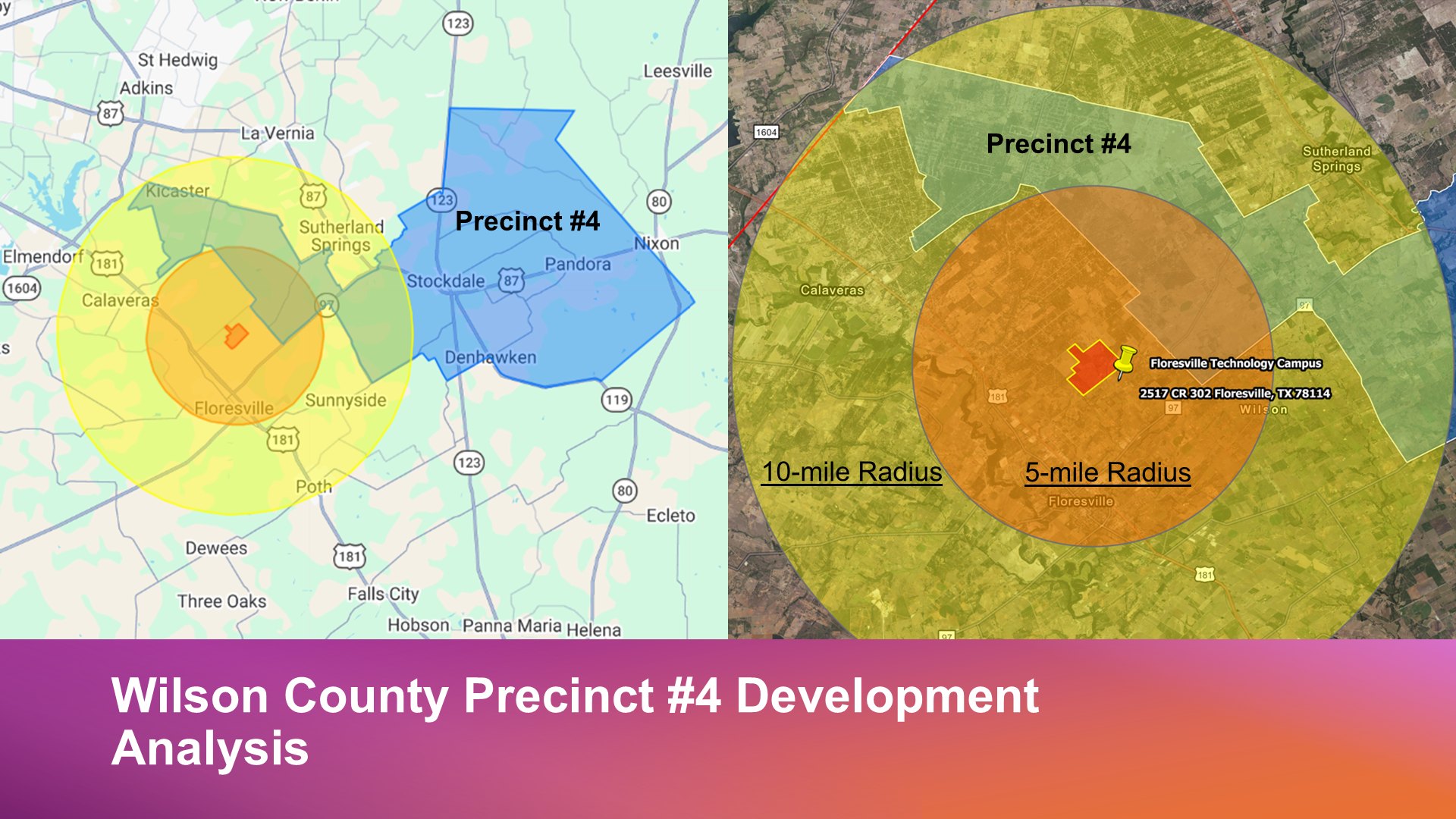
- Solar, battery storage, natural-gas generation, and data-center projects are being proposed or developed across Wilson County, including effects on Precinct 4.
- Economic development can benefit the county — but growth should strengthen the community, not leave taxpayers and property owners carrying the risk.
- Developers often advertise hundreds of construction jobs while permanent technician seats are a handful — residents deserve the real numbers in writing.
What I'll do
- Publicly disclose major projects and expected impacts (jobs by phase, water, roads, taxes, emergency services) before any County commitment.
- Hold a resident town hall for each major Precinct 4 project seeking County incentives or material support — with project materials posted online at least 14 days before the meeting.
- Make agreements, incentives, and material commitments accessible for public review before Court votes.
- Establish clear performance standards (investment, local hire / apprenticeship targets, infrastructure responsibilities) before committing taxpayer resources.
- Demand local hire and apprenticeships commensurate with project scale — construction spike and lasting trades — written into incentive deals where the County participates.
- Support responsible investment while protecting private property rights and taxpayers. We can — and should — demand both opportunity and protection.
Education and Youth Services
The challenge
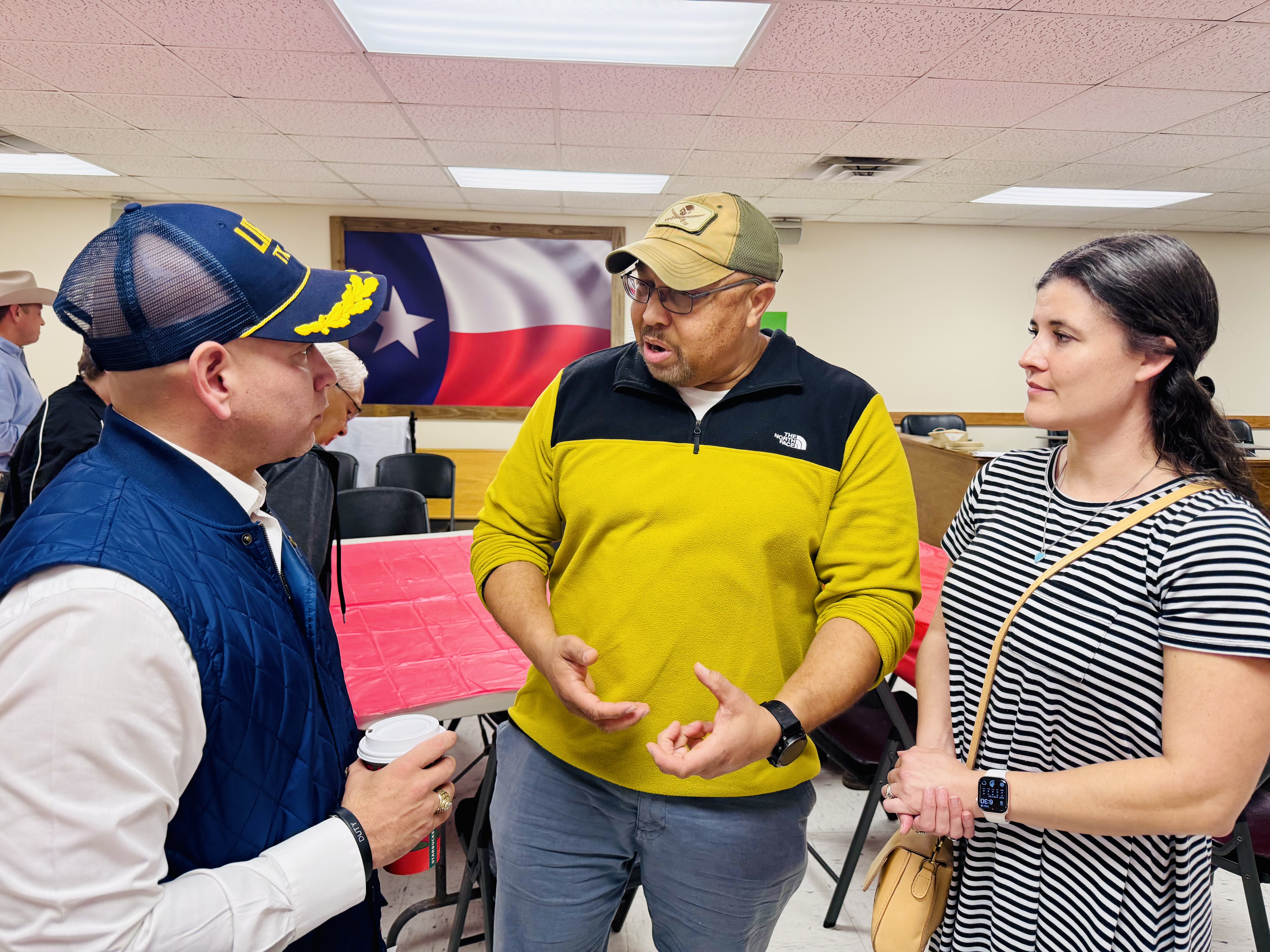
- Growth puts pressure on classrooms, roads to school, and after-school options — often without a clear County–ISD coordination plan.
- Not every student is on a four-year-college path, yet vocational seats stay thin even as large projects seek skilled trades.
- Incentive packages rarely lock in workforce pipelines for Precinct 4 kids who will actually live with the projects.
What I'll do
- Advocate for County support of school infrastructure and safe school routes without running the districts — and require major-project packets to include school-route / bus-impact notes before County commitment.
- Tie apprenticeship and vocational seats into performance-based incentive agreements where the County participates — with reported seat counts, not slogans.
- Convene an annual Precinct 4 workforce / education roundtable (ISDs, trades, employers) and publish a one-page public summary of openings, gaps, and commitments.
- Pair major project growth with pathways so Precinct 4 kids can take the jobs those projects actually hire — construction spike and lasting trades.
Healthcare and Community Wellness
The challenge
- Rural clinics, veterans, and seniors still drive too far for primary and specialty care.
- Opioids and mental health often show up first at the sheriff’s office because there is nowhere else to go — growth without community capacity makes that worse.
- Development conversations count industrial demand and skip clinic, telehealth, and prevention capacity.
What I'll do
- Pursue grants for clinics and telehealth — especially for veterans and seniors — and report applications submitted / awarded twice a year.
- Stand up prevention partnerships with churches and community groups; publish a simple partner directory and update it annually.
- Require major-development conversations that seek County support to include a community-capacity checklist (clinic access, mental-health pathways, EMS load) — not only industrial demand.
- Keep personal responsibility and care meeting in the middle: County as facilitator and grant hunter, not a new bureaucracy.
Water, Land, and Stewardship
The challenge
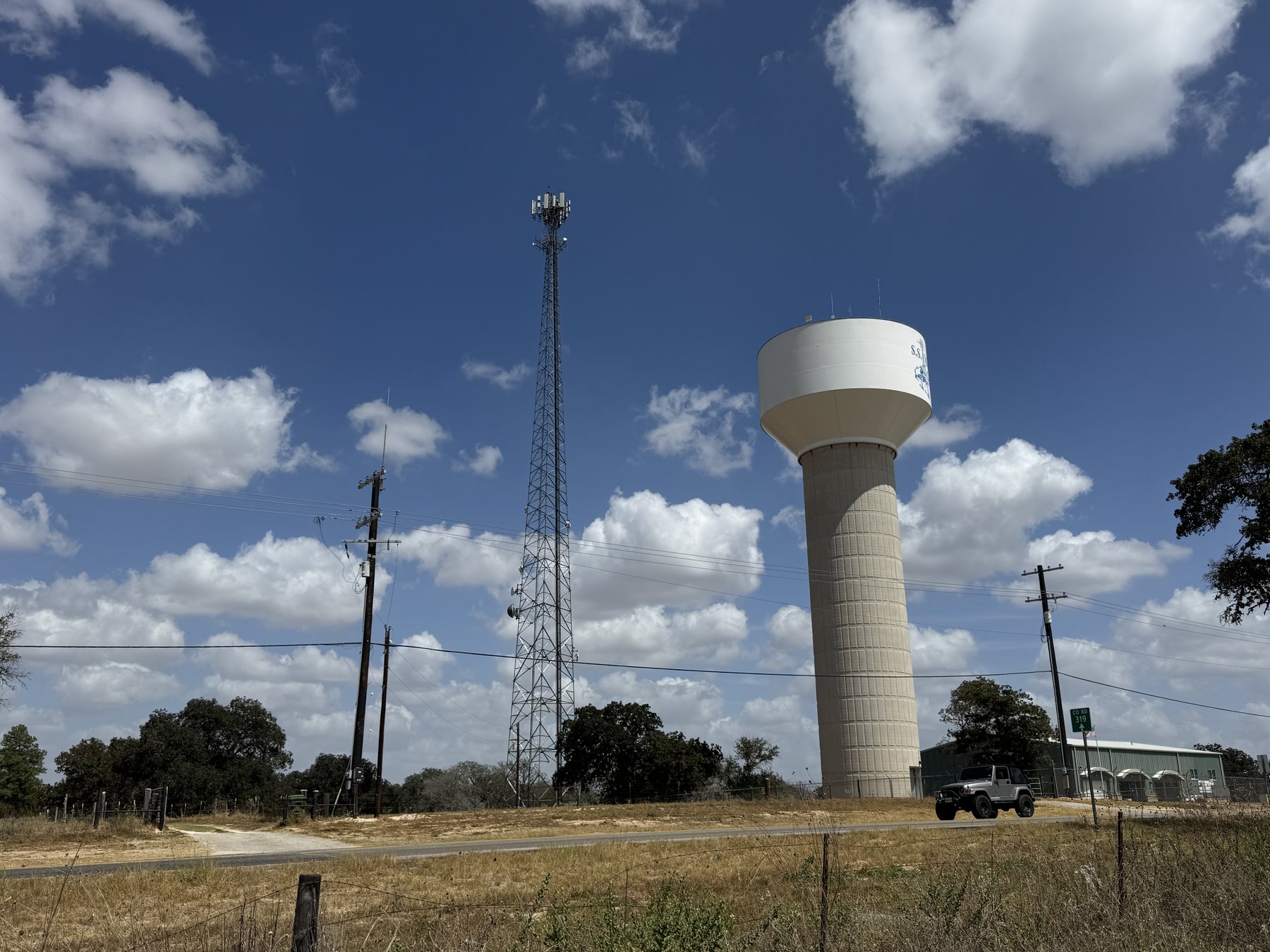
- Project materials highlight significant proposed land, water, energy, and infrastructure demands — including solar, battery storage, natural-gas generation, and data centers.
- Most of this county depends on groundwater. Hunting, farming, and rural neighbors should not be an afterthought.
- Without metering, limits, and enforcement, “study it later” becomes “drain it now.”
What I'll do
- Require independent environmental and aquifer analysis — paid for by the applicant when seeking County incentives or material approvals — before Commissioners Court commitment.
- Establish measurable water-use limits where the County has authority, with metering, monitoring, public reporting, and enforcement.
- Require impact plans for noise, drainage, traffic, and lighting before construction — not after neighbors live with the consequences.
- Use well-designed, enforceable covenants covering water, noise, lighting, buffers, drainage, traffic, environmental mitigation, maintenance, enforcement, and future ownership — so property owners and developers have certainty while surrounding landowners are protected.
- Oppose County commitments that skip water disclosure or leave monitoring “to be determined.”
Veterans and Senior Support
The challenge
- Veterans and seniors built this county and still fight property-tax, housing, and health-care costs.
- Programs exist on paper more often than they show up at the kitchen table — while growth decisions are made without them at the table.
- Abatement and mega-project votes affect the tax base and services they rely on, often with little outreach.
What I'll do
- Expand practical help: job placement, housing aid, VA claims paths, and senior tax-relief navigation — with a published resource map for Precinct 4 updated at least annually.
- Keep community centers and services that deliver without waste — honor first, bureaucracy last — and report simple utilization metrics the public can understand.
- Invite veterans and seniors into town halls on growth that affects their taxes, water, and roads — and post materials 14 days ahead when a project seeks County commitment.
- Demand transparency so veterans and seniors can know the facts, ask the questions, and hold government accountable.
Know the facts. Ask the questions. Hold government accountable.
Drawn from the campaign Citizen's Information Memo on Precinct 4 community growth and leadership: responsible growth, transparency before commitment, protect water and land, make incentives perform, use covenants that protect both sides, and demand both opportunity and community protection.